
Somatic Walk and Talk Therapy in Denver: Healing Through Movement, Nature, and Connection
If you’ve spent years trying to think your way through anxiety, stress, or emotional patterns, you may have already discovered something frustrating:
Understanding yourself doesn’t always create change.
You can know where your patterns come from. You can understand your attachment style, your childhood experiences, and the reasons you react the way you do — and still find yourself feeling overwhelmed, disconnected, or stuck in the same cycles.
This is where somatic therapy can offer something different.
Somatic therapy recognizes that healing is not only about what happens in your mind. Your experiences are also held in your body, nervous system, and the ways you move through the world.
For many people, especially those who are high-functioning, self-aware, and used to holding everything together, healing can begin when you reconnect with yourself beyond your thoughts.
One way I offer this work in Denver is through somatic walk and talk therapy — combining therapy, movement, and the regulating benefits of being outdoors.
What Is Walk and Talk Therapy?
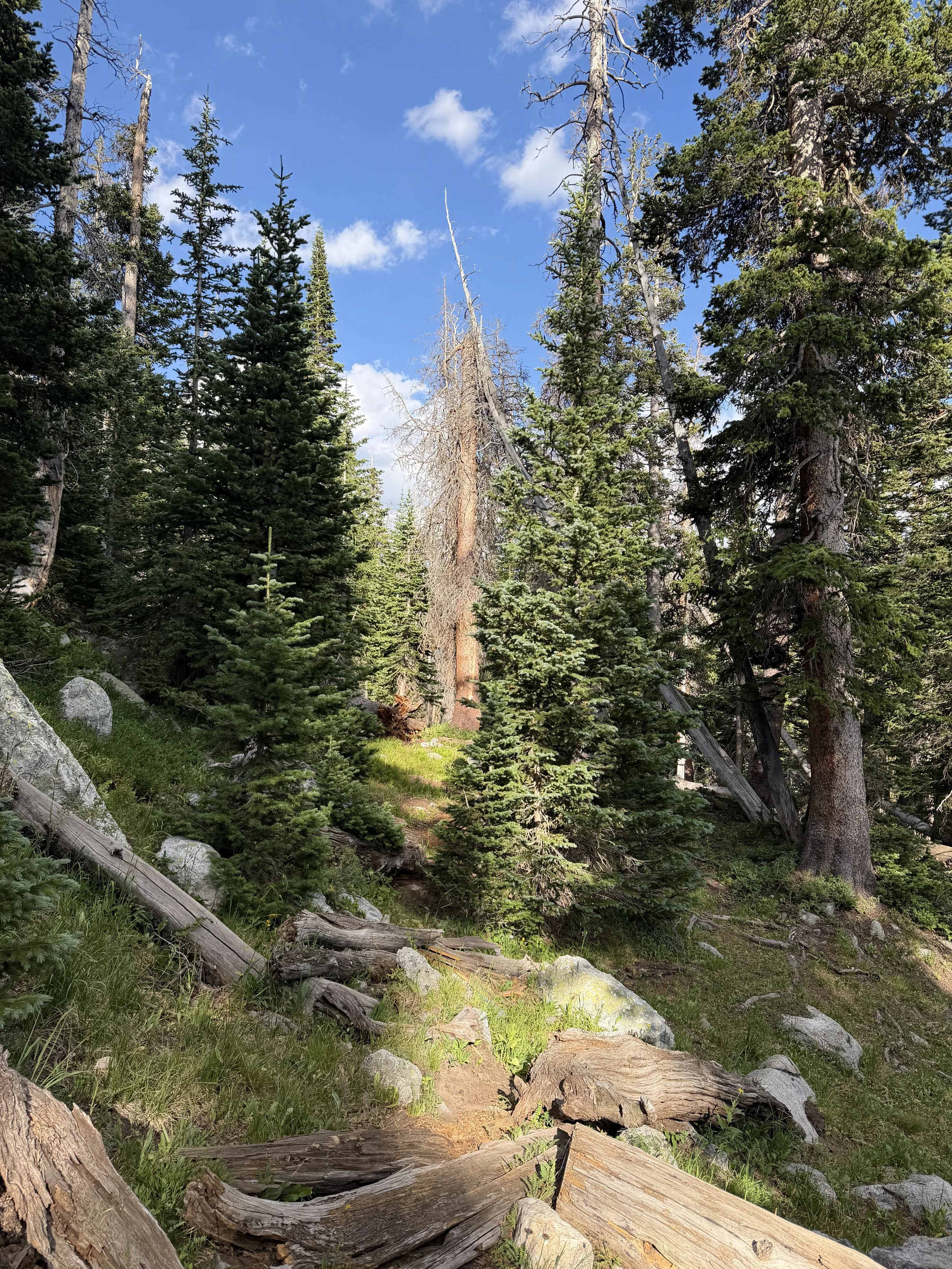
Walk and talk therapy is exactly what it sounds like: therapy that takes place while walking outdoors rather than sitting in a traditional office.
Instead of sitting face-to-face in a therapy room, we move through nature while we talk, reflect, and connect with what is happening internally.
For many people, walking creates a different therapeutic experience.
Movement can help:
release physical tension and stress
support nervous system regulation
make difficult conversations feel more approachable
create space for reflection and processing
help you feel more connected to your body
Sometimes sitting still and focusing intensely on emotions can feel overwhelming. Walking can provide a sense of grounding and forward movement — both physically and emotionally.
How Somatic Therapy Helps You Move Beyond Overthinking
Many of the people I work with are deeply thoughtful and self-aware. They have spent years analyzing themselves, learning about psychology, and trying to understand why they feel the way they do.
But insight alone does not always create transformation.
Somatic therapy focuses on building awareness of what is happening in your body:
Where do you hold tension?
What happens in your body when you feel anxious?
When do you notice yourself shutting down, disconnecting, or going into survival mode?
What sensations show up before your thoughts start racing?
Your body often responds before your mind can explain what is happening.
By slowing down and noticing these patterns, you can begin creating a different relationship with your emotions — one built on curiosity rather than judgment.
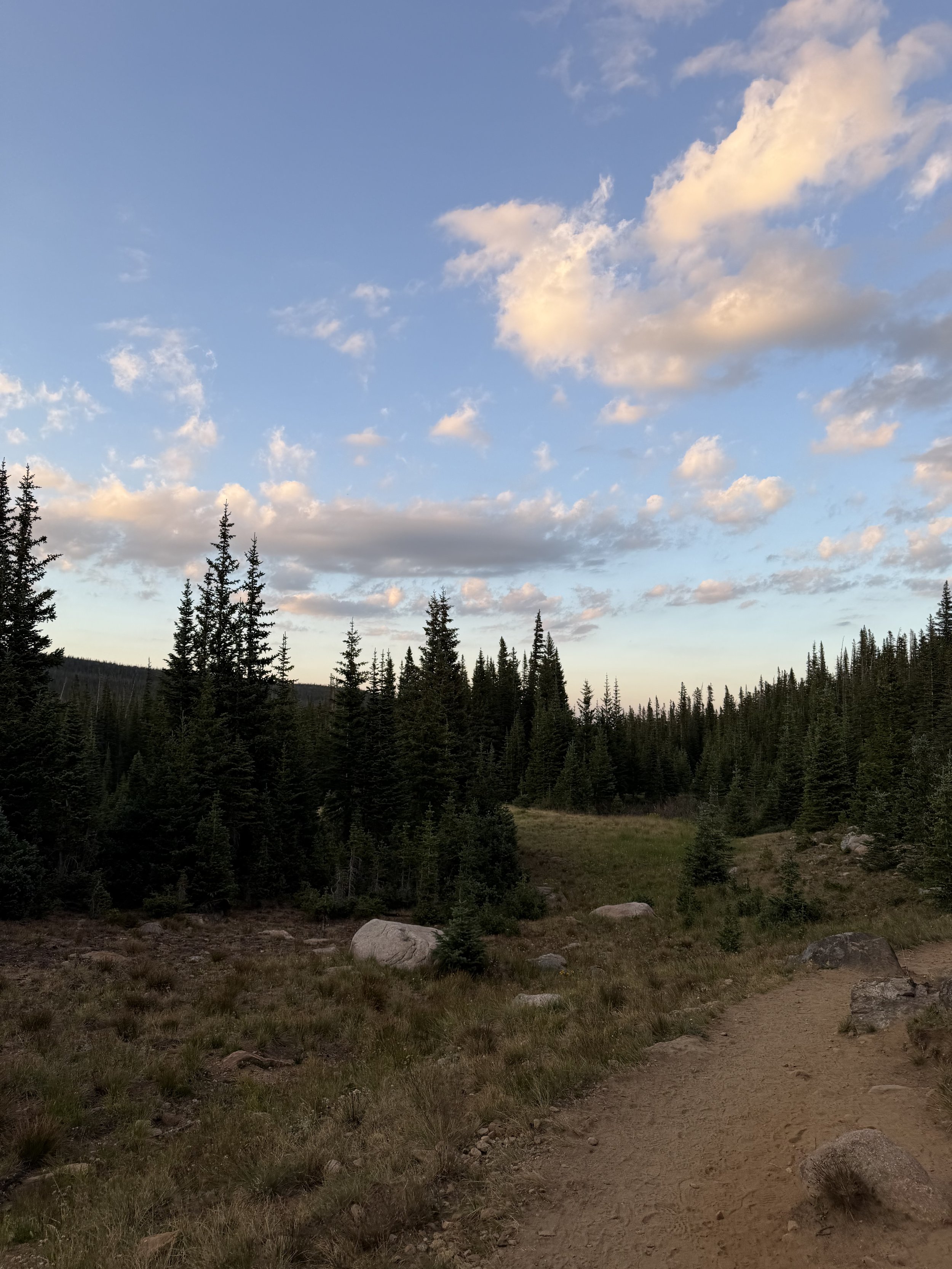
One of my favorite longer hikes to take with clients.
Brainard Recreation Area
Why Nature Can Be Healing
There is a reason many people instinctively seek out nature when they feel overwhelmed.
Being outdoors can create opportunities to slow down, breathe more deeply, and reconnect with the present moment.
For many people, especially those experiencing anxiety, burnout, or chronic stress, nature offers a different environment than the constant stimulation of daily life.
A walk through a Denver trail can become a place to practice:
grounding
mindfulness
emotional awareness
reconnecting with yourself
noticing what feels safe and supportive
Nature-based therapy allows healing to happen in an environment that feels more spacious, less clinical, and more connected to everyday life.
What Does Somatic Hiking Therapy Look Like in Denver?
Somatic hiking therapy may look different depending on what you need that day.
Some sessions may involve:
walking while talking through current stressors
noticing sensations and emotions as they arise
practicing grounding exercises outdoors
exploring patterns through a body-based lens
slowing down and reconnecting with your surroundings
Other sessions may involve more intentional pauses — stopping to notice your breath, your environment, or what your body is communicating.
The goal is not to force a breakthrough.
The goal is to build a deeper relationship with yourself.
Who Is Walk and Talk Therapy For?
Outdoor therapy in Denver may be a good fit if you:
feel stuck in your head and want to reconnect with your body
experience anxiety, overthinking, or emotional overwhelm
are healing from trauma or difficult relationships
feel burned out from constantly taking care of others
want therapy that feels active and experiential
enjoy being outside and feel more regulated in nature
Many clients who choose somatic walk and talk therapy are people who have already done a lot of self-reflection but want to move from understanding their patterns to actually changing them.
Somatic Walk and Talk Therapy in Denver, Colorado
Living in Colorado provides a unique opportunity to incorporate nature into the healing process.
The Denver area offers many beautiful outdoor spaces where therapy can include movement, fresh air, and connection with the natural world.
As a trauma-informed therapist and yoga teacher, I incorporate somatic approaches, mindfulness, and body awareness into my work to help clients reconnect with themselves in a deeper way.
You do not have to stay stuck in the same patterns forever.
Sometimes healing begins by slowing down enough to listen — not just to your thoughts, but to your whole self.
If you’re interested in exploring somatic therapy, walk and talk therapy, or outdoor therapy in Denver, I would love to connect.
Frequently Asked Questions About Walk and Talk Therapy
Is walk and talk therapy as effective as traditional therapy?
Research on outdoor therapy and movement-based approaches suggests that incorporating nature and physical activity can support emotional wellbeing. Many clients find that walking creates a more relaxed and embodied environment for therapeutic work.
The effectiveness of therapy depends less on the location and more on the therapeutic relationship, approach, and goals of treatment.
What should I wear for outdoor therapy?
Wear comfortable clothing and shoes appropriate for walking outdoors. Colorado weather can change quickly, so layers, water, and sun protection are often helpful.
What happens if the weather is bad?
Outdoor sessions are weather-dependent. If conditions are unsafe, we can discuss alternative options.
Do you offer walk and talk therapy in Denver?
Yes. Walk and talk therapy is available for Colorado residents who are interested in incorporating movement, nature, and somatic approaches into their therapy experience.
